
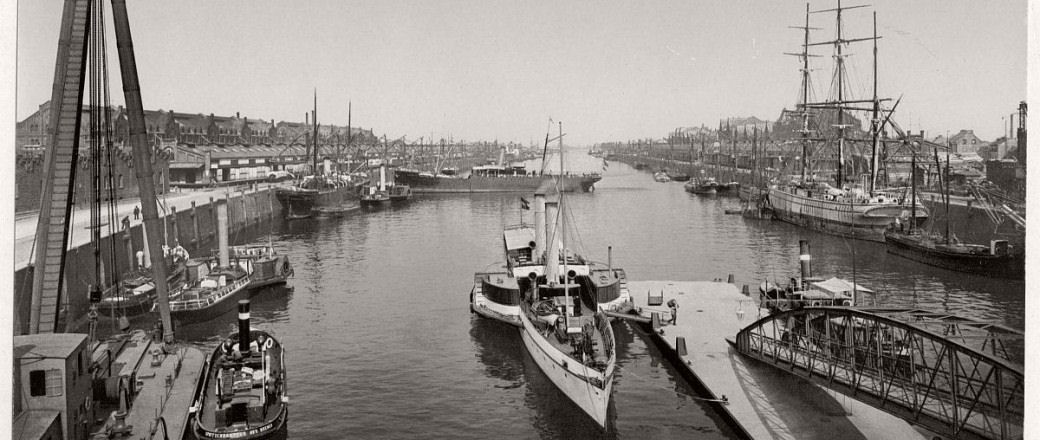
Welcome to Bremen, Germany. Bremen was one of the many ports through which immigrants traveled on their way to American, Canada, and even Australia. Bremen, Germany played a significant role in the movement of transmigrants—especially during the 19th and early 20th centuries—serving as a vital gateway for millions seeking new lives across the Atlantic.
🌊 Port of Departure for Emigrants Bremen's prominence as a
port city made it a key departure point for European emigrants, particularly those from Central
and Eastern Europe. The city’s harbor, along with its sister port Bremerhaven, was one of the
busiest emigration hubs in Germany. Transmigrants—individuals passing through on their way to
other destinations—often arrived by rail or riverboat, then boarded ships bound for North and South
America. The Norddeutscher Lloyd shipping company, founded in Bremen in 1857, became one of the
largest transatlantic carriers, transporting millions of passengers, including emigrants, across
the ocean.
🏘️ Infrastructure for Transmigrants To accommodate the influx of travelers, Bremen developed specialized infrastructure. Emigrant halls, lodging houses, and medical inspection stations were built to manage the flow of people and ensure health standards before departure. These facilities were often located near the docks and railway stations, creating a streamlined process for transmigrants. The city also had quarantine stations to prevent the spread of infectious diseases, which was a major concern during mass migration periods.
📜 Regulation and Support Bremen’s authorities worked closely with shipping companies and international agencies to regulate emigration. They implemented policies to protect emigrants from exploitation, such as standardized ticketing and travel arrangements. The city became known for its relatively humane treatment of transmigrants compared to other ports, offering better accommodations and more organized procedures.
🌍 Legacy and Historical Impact The legacy of Bremen’s role in transmigrant transportation is still visible today. Museums and archives in Bremen and Bremerhaven preserve records, artifacts, and personal stories of those who passed through. The German Emigration Center in Bremerhaven, for example, offers immersive exhibits that trace the journey of emigrants from Europe to the New World. Bremen’s historical contribution helped shape migration patterns and the cultural landscapes of countries like the United States, Brazil, and Argentina.
If you're diving into migration history, Bremen is a fascinating case study—its blend of commerce, compassion, and logistics made it a lifeline for countless hopeful travelers. Want to explore how Liverpool’s role compares? I know that’s a topic close to your heart.